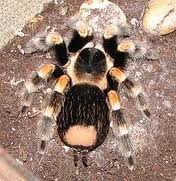
The 1990 thriller Arachnophobia didn’t exactly have Tarantulas in its plot, but the movie did well in raising questions over the feasibility and practicality of keeping tarantulas as pets.
Directed by Frank Marshall, Arachnophobia’s main “actor” was a Venezuelan spider, a new species which spawned a new breed of spiders with highly lethal venom packed in their bites.
Tarantulas, generally speaking, are not known for having bites which are lethal. It’s one of the reasons why they’re often kept as pets, along with their proliferation when bred in captivity.
When talking about tarantulas as pets, pet owners are not all that burdened by their upkeep, but as pets, tarantulas also have certain particulars and specifics in terms of care and maintenance.
For one, they live a long time, as old as 20 to 25 years, which means that keeping tarantulas as pets should be treated as a commitment. Another is that though tarantulas are generally docile, their appearance is threatening to most humans. The tendency to panic is only to be expected from people who encounter them, which could cause problems for tarantula pet owners, especially if a tarantula manages to get out from its enclosure.
Another thing is that most tarantulas prefer to eat live prey. If you’re the type who isn’t all that comfortable in feeding a pet something that’s still alive, a pet tarantula may not be best for you.
In terms of activity, tarantulas tend to be in constant repose. In other words, they don’t really do much, apart from feeding and/or when on the run. If you think that a tarantula does awesome things during “lounge times”, you’ll be disappointed to see a tarantula staying fixed in one spot, in one pose.
They may not be as venomous as Arachnophobia’s spiders, but their bites are also painful, which is one reality prospective pet tarantula owners should consider before getting one.
So? Think you’re up to the role of owning a pet tarantula?
When talking about exotic pets, insects and arachnids are among the most often mentioned, with spiders generally at the top of most “most exotic pets” lists.
Often kept in enclosures, insects and spiders are relatively easy to keep as pets, not demanding when it comes to space, generally not all that picky when it comes to food, as well as not necessarily needy when regular baths or frequent clean up is being talked about.
Insects and spiders also don’t require that much interaction or attention from owners, unlike cats or dogs. In fact, they’re known to generally fair better without any socialization at all.
But pet insects and spiders also have their own list of particulars, a roster which pet lovers have to think long and hard about before going on an impulse and bringing them home.
Here are some exotic pet facts worth knowing about, before getting your first pet insect or arachnid.
Finding the Right One
For those looking in to keep insects or spiders as pets, specialty pet shops often suggest a “start small” approach, recommending insect or spider species which are less dangerous and/or not so temperamental to keep.
Ant farms are often suggested, especially for kids, given how easy they are to maintain. An escaped colony, though, is a home safety risk, which means that owners have to make sure ants don’t break out from enclosures.
Stick and/or leaf insects are also often recommended, though these require degrees of delicacy with their care. The hissing cockroach is also popular as an “entry level” exotic pet, given that they are pretty docile and large enough for an owner to handle.
Certain types of tarantulas are also often suggested, like the Costa Rican Zebra, the Mexican Redleg and the Chilean rose. These arachnids are venomous, but their venom-factor is somewhat similar to the venom of bees.
If one is not all that keen in keeping a venomous pet, it’d be best not to do so.
Background Information Before Getting One
It pays to do some fact checking before settling on a particular pet insect or spider.
For one, verify with your local agencies’ regulations regarding the legality of owning a particular insect or spider.
Also, gain specifics and particulars related to the care and keeping of insects or spiders, particularly with their feeding. Some tarantulas, for example, require feeding procedures akin to their natural environments. These could be tricky to feed. Though hissing cockroaches are generally easy to feed, stick and leaf insects are more picky with what’s in their diets.
Some insight related to the lifespan of a pet would also be necessary. Certain tarantulas, for example, live as long as 20 years, with females living longer than males
Bottom line, though the basics related to the care of insects and spiders are pets are quite easy to fulfill, in no way does this mean that they're not as “high maintenance” as having dogs or cats in the house.
So? Will you still be getting that tarantula just because it's so cool to have?