We Bought a Zoo, released in 2011, is a comedy drama film based on the memoir of the same name by Benjamin Mee, the film’s central character. Cameron Crowe directs the movie, with Matt Damon starring as the main character. The movie tells the story of how widowed Benjamin Mee and his kids decide to move in into a new home, which just so happens to come with a broken down zoo. In an effort to keep the zoo from closing permanently and the animals having to be sent away and put down, the Mee family along with the zoo staff work hand in hand to prepare the zoo for public viewing and learn about taking care of the animals along the way.
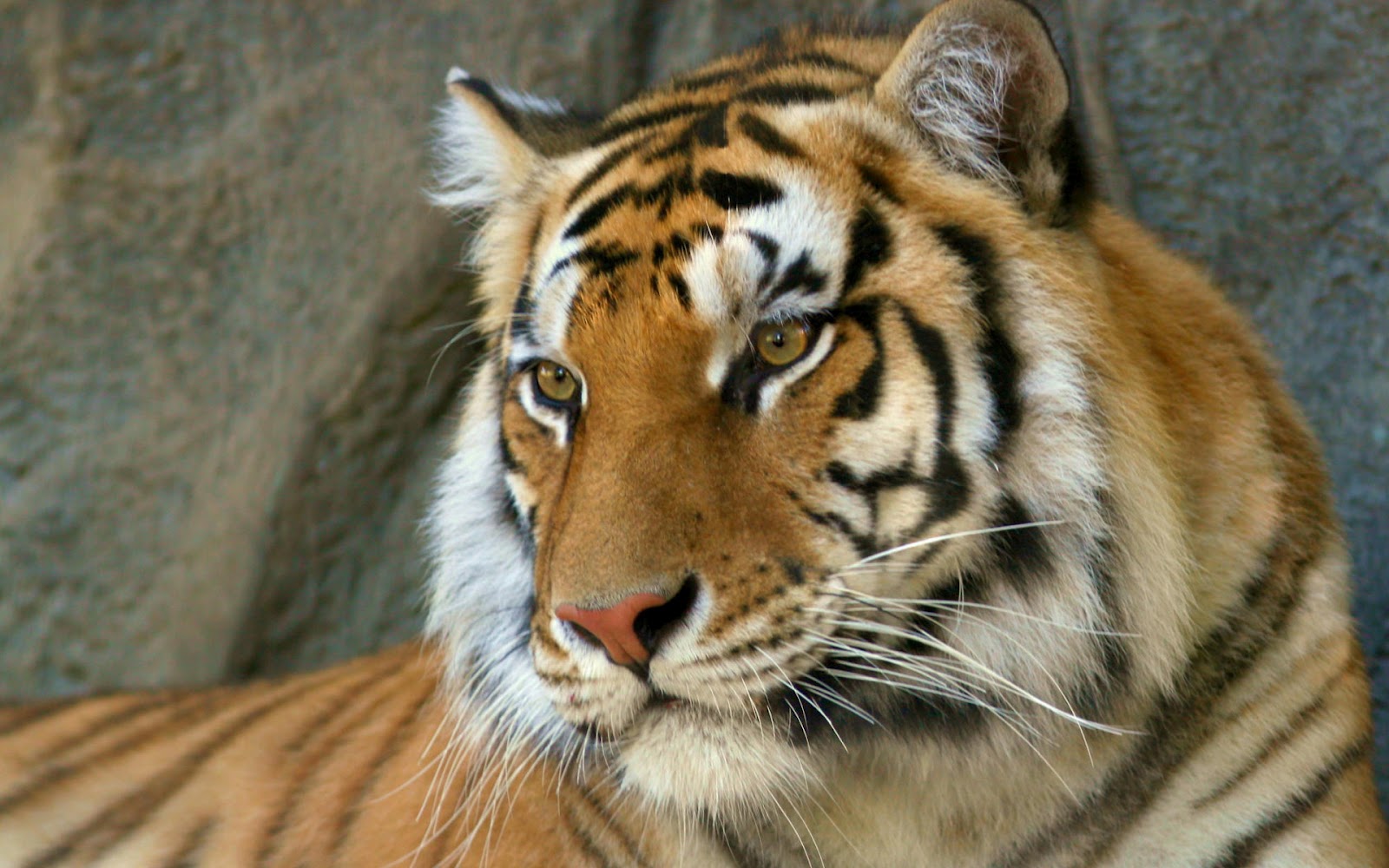
One of the most notable animals living in the zoo is a tiger named Spar, an aging big cat who Benjamin desperately tries to save from being euthanized. Tigers are actually the largest cats in the animal kingdom—a distinction many think belongs to the lion. A certain subspecies, the Bengal tiger, is known for its size and weight. Bengal tigers are Bangladesh’s and India’s national animal and have become a symbol of these countries. These tigers are natives of the Bengal areas in South Asia. There are more Bengal tigers alive, in captivity and in the wild, compared to other subspecies. They have an estimated population of 1,550 to 1,909 in India, about 124 to 229 in Nepal, 67 to 81 in Bhutan, and 440 in Bangladesh.
In 2010, the Bengal tiger has been marked by the IUCN as one of the most rapidly disappearing endangered species in the world. In an effort to preserve the species, numerous nature reserves and conservation centers have been supporting the breeding of these animals. These cats come in an orange-yellow coat with black stipe markings, but are also known to have white coat and black stripes. This is a gene mutation, resulting in white tigers that not only look different, but are larger than normal-colored tigers. Bengal tigers are of course, carnivorous animals that prefer to wander off alone and hunt alone. They can be social when around other tigers, but they do not travel in groups. They prefer to hunt and live unaccompanied.
Tigers are among the most recognized among large cats, even ascribed to be the veritable symbol of conservation and eco-awareness, given the fact that a number of organizations have used the image of tigers in countless campaigns and programs geared for environmental conservation.
The 1964 feature titled A Tiger Walks looked into the tale of a circus tiger, who, after escaping from its enclosure, became the subject of a mass hunt, with people intent on having the creature killed, save one little girl.
An inspiring tale, the story delves into the challenges often faced by eco-conservation advocates, where the priorities of human beings are always put over the safety and conservation needs of Mother Earth’s other residents.
Tigers, as large cats, are ascribed to be the largest and are famous for their black strips and orange coats. Like how fingerprints are unique to human beings, the stripes of a tiger are unique as well, with the strips above the tiger’s eyes similarly shaped with others, with differences in the rest of the body and the tiger’s face being a prominent form feature.
Apart from the orange and black stripes, white tigers are known to exist, oftentimes the result of inbreeding among species. As such, white tigers are not always found in the wild given the fact that most inbreeding instances with tigers occur when they are kept in captivity.
As tigers, white tigers are similar in form with orange and black striped tigers, differing only with their deep brown stripes and blue eyes, with some white tigers having no stripes at all.
A “black tiger” variant is known to exist, but only one specimen, a pelt taken from illegal traders, stands to be the only proof of their existence. Based on the specimen, black tigers have all black faces and backs, with stripes falling down on the sides of its body.
Being one of the world’s endangered species, tigers have long captured the fascination of people, given their allure in being mysterious, as predators who can be loving and gentle at the same time.
We all have that dream, where we get to casually hang out with Tigers, treating them as though they large scale versions of their domestic feline cousins.
But as we dream, we are all quite aware of how different Tigers are from domestic cats in the real world, with one swipe from them resulting to more than just a skin-deep scratch.
An undercover Human Society employee was also quite aware of this fact, upon discovering that workers of an Oklahoma-based wild animal park allowed children to come in close contact with some of its tigers.
Based on reports from USA Today, the said undercover representative of the Human Society saw the unsafe handling of wild animals in the GW Exotic Animal Park, Wynnewood, Oklahoma.
The organization has filed a number of complaints against the wild animal park, citing instances of animal abuse, and the unsafe security/safety practices implemented by the park, defined by how children were allowed to come close to its tiger cubs. The organization has also noted the death of five tiger cubs in the past, which if proven to be true, will leave the park with a lot to answer for.
GW Exotic Animal Park owner Joe Schreibvogel is convinced that the Humane Society is intent in creating noise, in an effort to generate more donations. Given that the park stands to be one of the largest of its kind (exotic-animal parks) in the United States, Schreibvogel claims that the park’s status makes it a target for organizations like the Human Society.
As investigations and inquiries are still ongoing, it is too soon to note if the park or the Humane Society are exactly in the wrong, but we’ll be featuring pertinent updates over here, once they come out.
As protected endangered species, tigers are among the most endangered and rare, with six tiger species listed in the endangered species list.
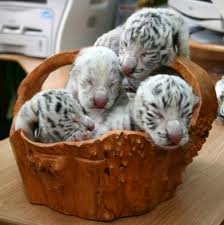
So when news when the Yalta Zoo based in Yalta, Ukraine celebrated the birth of four tiger cubs – four white tiger cubs – broke out, a lot of attention was directed towards the zoo, particularly on its tiger breeding program.
Born last Sunday on May 6, the four white tiger cubs – with one albino – are now the proud new residents of the Yalta Zoo, whose birth is an inspiring occasion, one which can be tallied as a success for the zoo’s tiger population rehabilitation efforts.
In most cases, two or three in one-time litters of white tiger cubs are known to occur. The four white tiger cub number in one litter is a rarity in itself, with white tigers themselves already being rare in the first place.
Known as a recessive mutant of the Bengal Tiger specie, white tigers are physically identified through their white and black stripes. As creatures, they have become part of various ancient and current traditional and modern pop culture trends, from being embodied forms of deities to representations of positive virtues and beliefs.
Rare in the wild, most instances of white tigers happen in captive ecosystems and environments, where monitoring and breeding population is regularly recorded. However, wild white tigers are known to be present in the wild.
In terms of estimates, one in every 15,000 Bengal Tigers are born as white tigers.
Having said that, the four white tigers born in the Yalta Zoo are truly rare births.